
EAST COUNTY YOUTH SYMPHONY, SAN DIEGO
non-profit 501(c)(3)



non-profit 501(c)(3)
Our Mission is to provide free, high quality orchestral education and performance opportunities to young musicians, and share the spirit of classical music with new audiences of adults and children.
Where Young Musicians Discover Their Voice
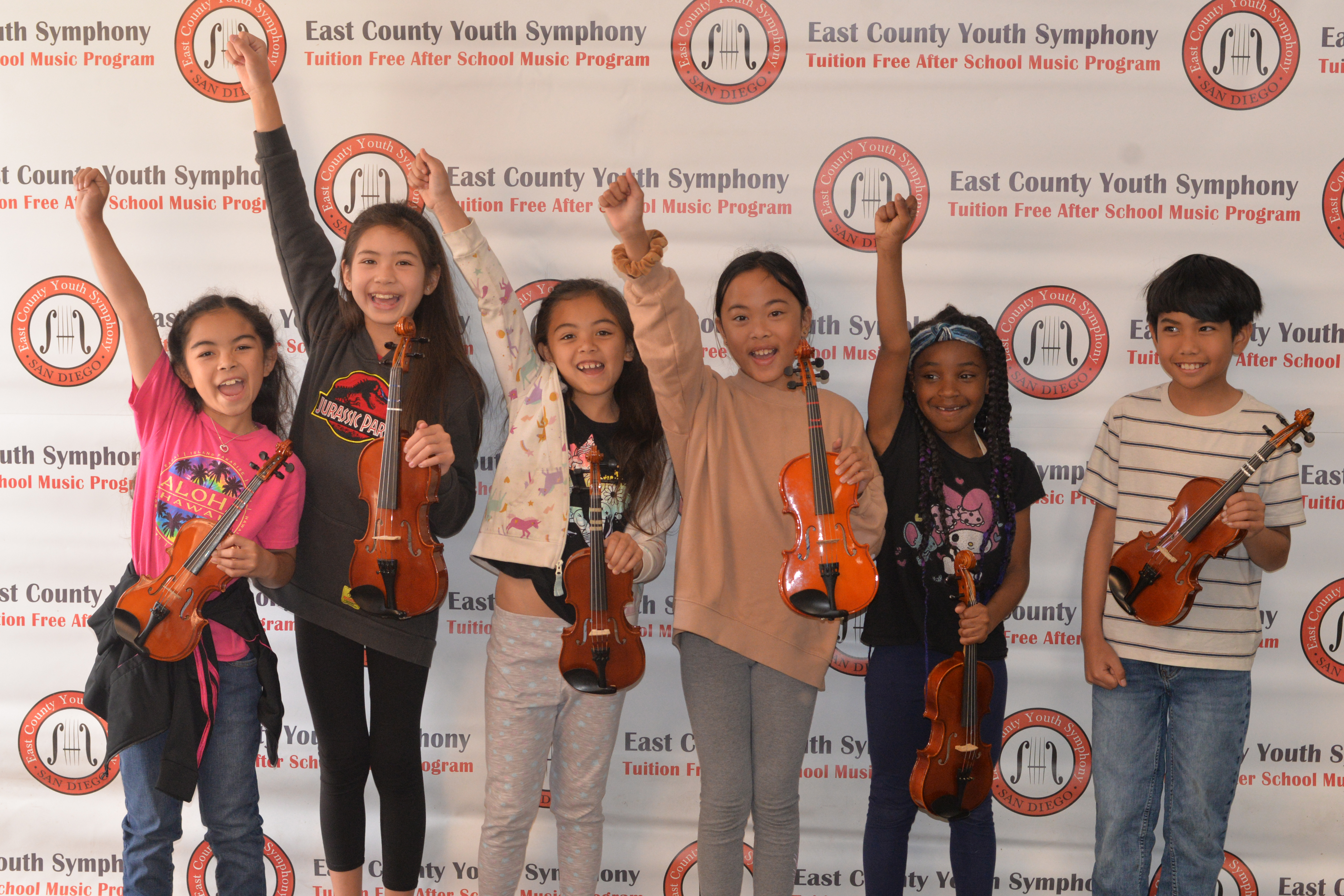
Music has the power to transform a child’s life. It teaches discipline, patience, confidence, imagination, and the ability to listen deeply to others. At the East County Youth Symphony, we believe those opportunities should belong to every child, regardless of financial circumstances. Founded in 2007, ECYS was created with a simple but powerful mission: to provide talented young musicians throughout San Diego County with access to high-quality orchestral training in a nurturing, inspiring, and tuition-free environment. What began as a small community effort has grown into one of the region’s most meaningful youth music programs, serving thousands of young musicians and families over the years and helping shape a new generation of artists, educators, and community leaders. Today, ECYS stands as a vibrant artistic home where children and young adults from many different backgrounds come together through a shared love of music. Some students dream of professional careers in music, while others simply seek the joy and challenge of performing in an orchestra. Every student who walks into an ECYS rehearsal is treated with the same respect, encouragement, and belief in their potential.
A Tuition-Free Opportunity That Changes Lives
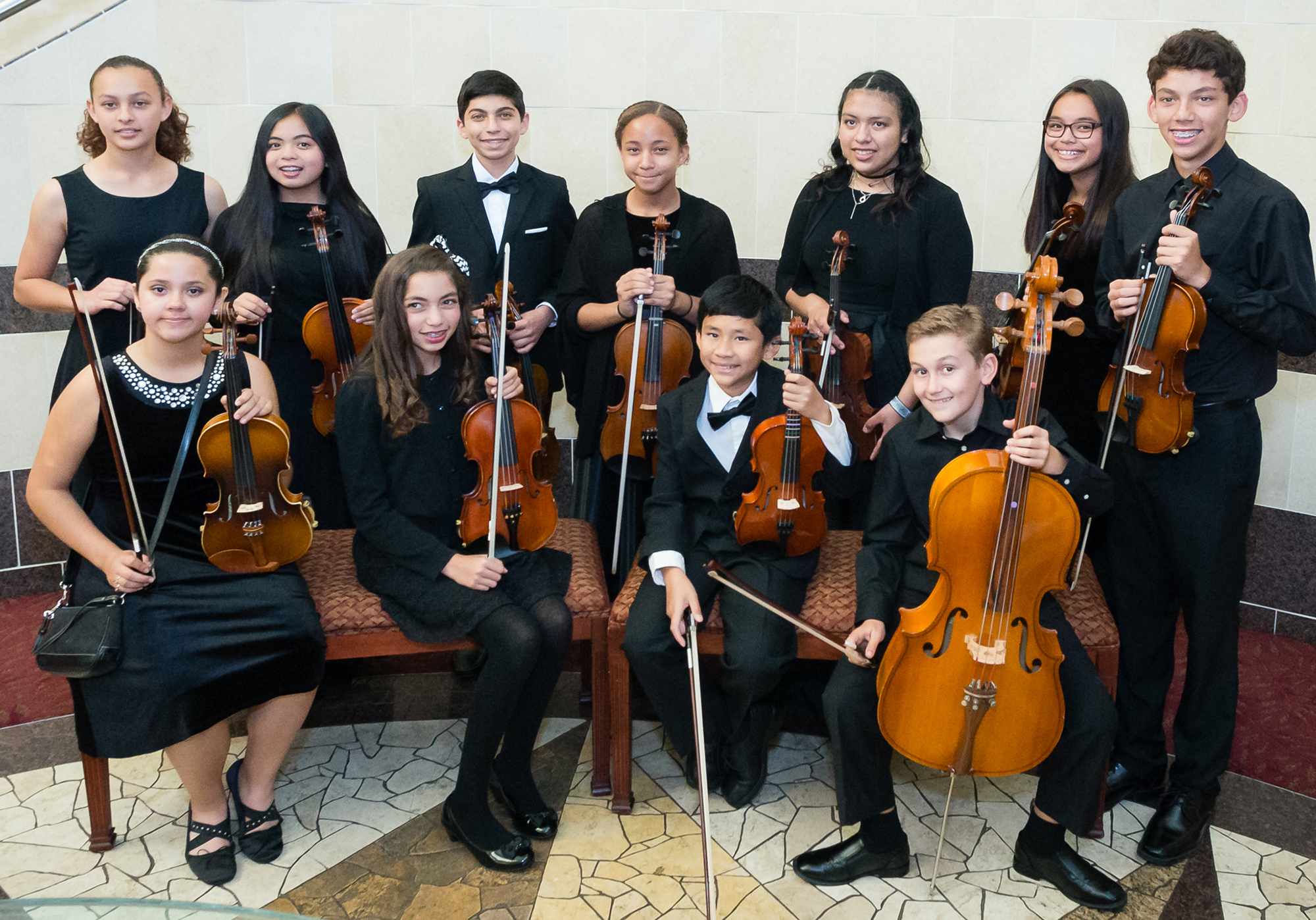
For many families, private music education and youth orchestra participation can be financially out of reach. ECYS was built specifically to remove those barriers. Through the generosity of donors, sponsors, volunteers, and community supporters, ECYS provides tuition-free ensemble participation so that talented students can continue their musical growth regardless of income level. This commitment allows young musicians from across San Diego County to study orchestral repertoire, rehearse in a professional setting, and perform on major stages without the burden of expensive participation fees. We believe that artistic talent exists in every community. Sometimes all a child needs is a chance.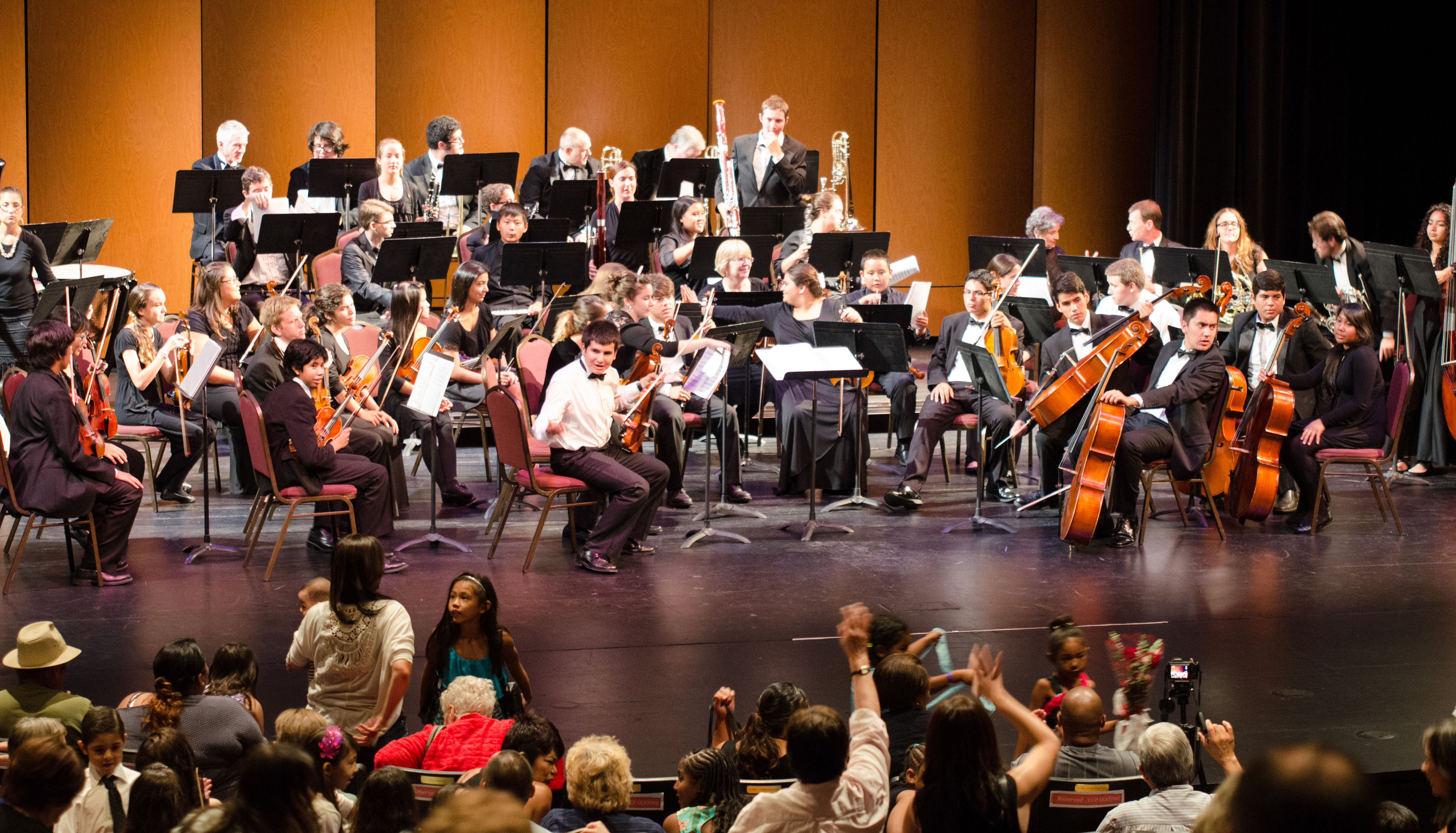
non-profit 501(c)(3)
Excellence With Heart
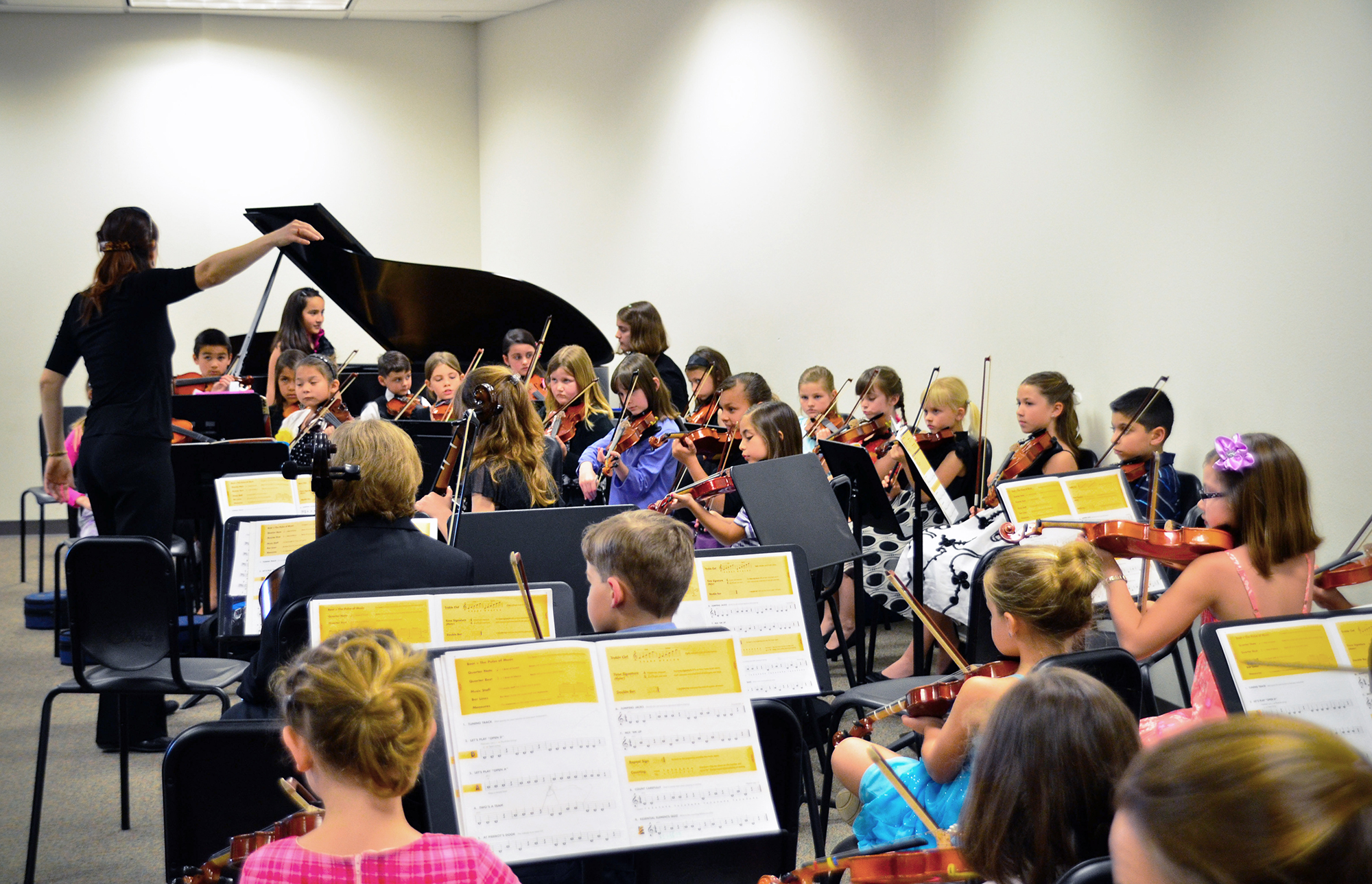
The East County Youth Symphony combines artistic excellence with a warm and supportive atmosphere that encourages young musicians to grow with confidence. Students are challenged to perform at a high level while learning the importance of teamwork, dedication, responsibility, and mutual respect. Rehearsals are filled not only with music, but with mentorship, friendship, and encouragement. Older students inspire younger musicians. Families build lasting connections. Teachers and conductors guide students through both artistic and personal growth.For many young musicians, ECYS becomes more than an extracurricular activity. It becomes a second family.
Inspiring Concert Experiences
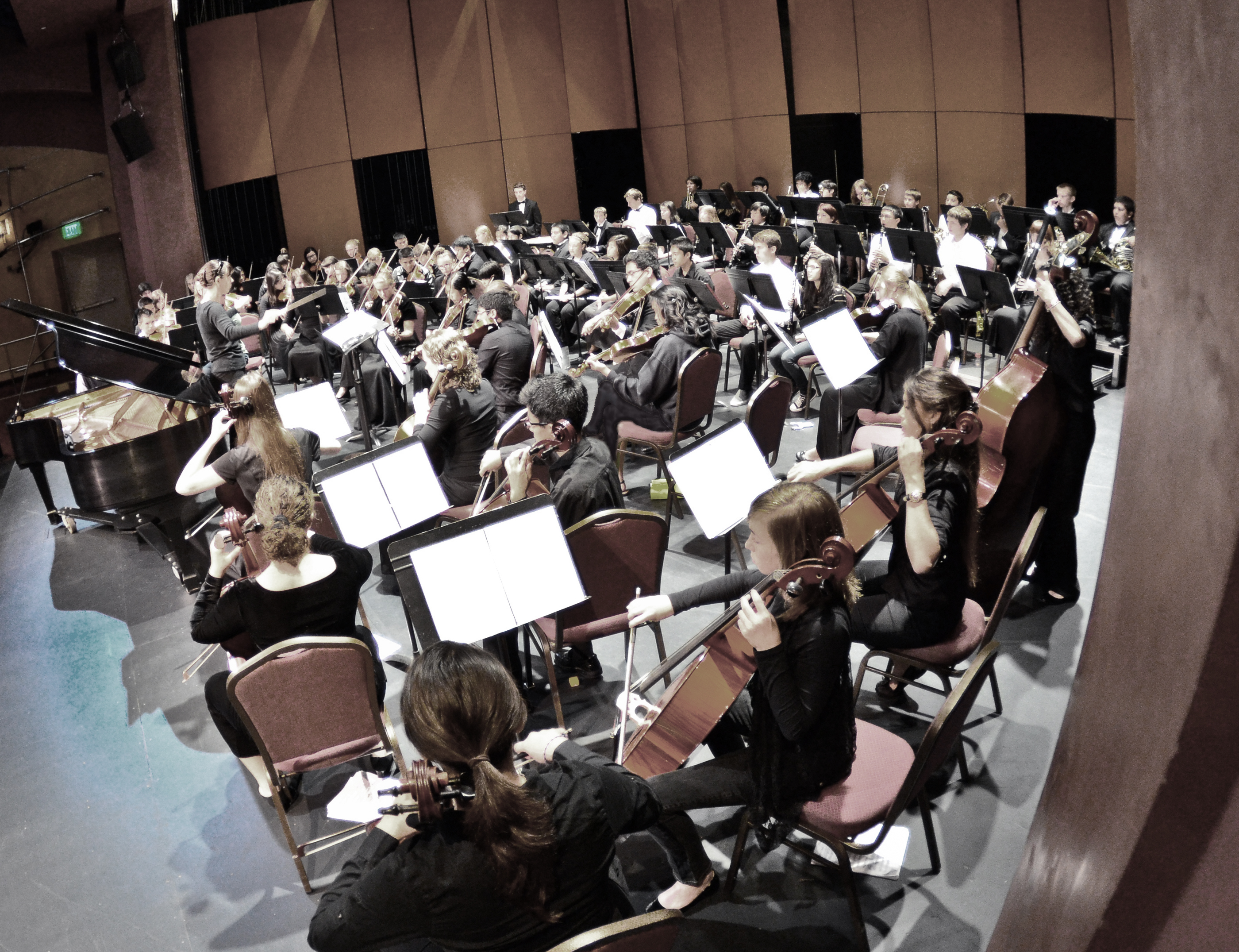
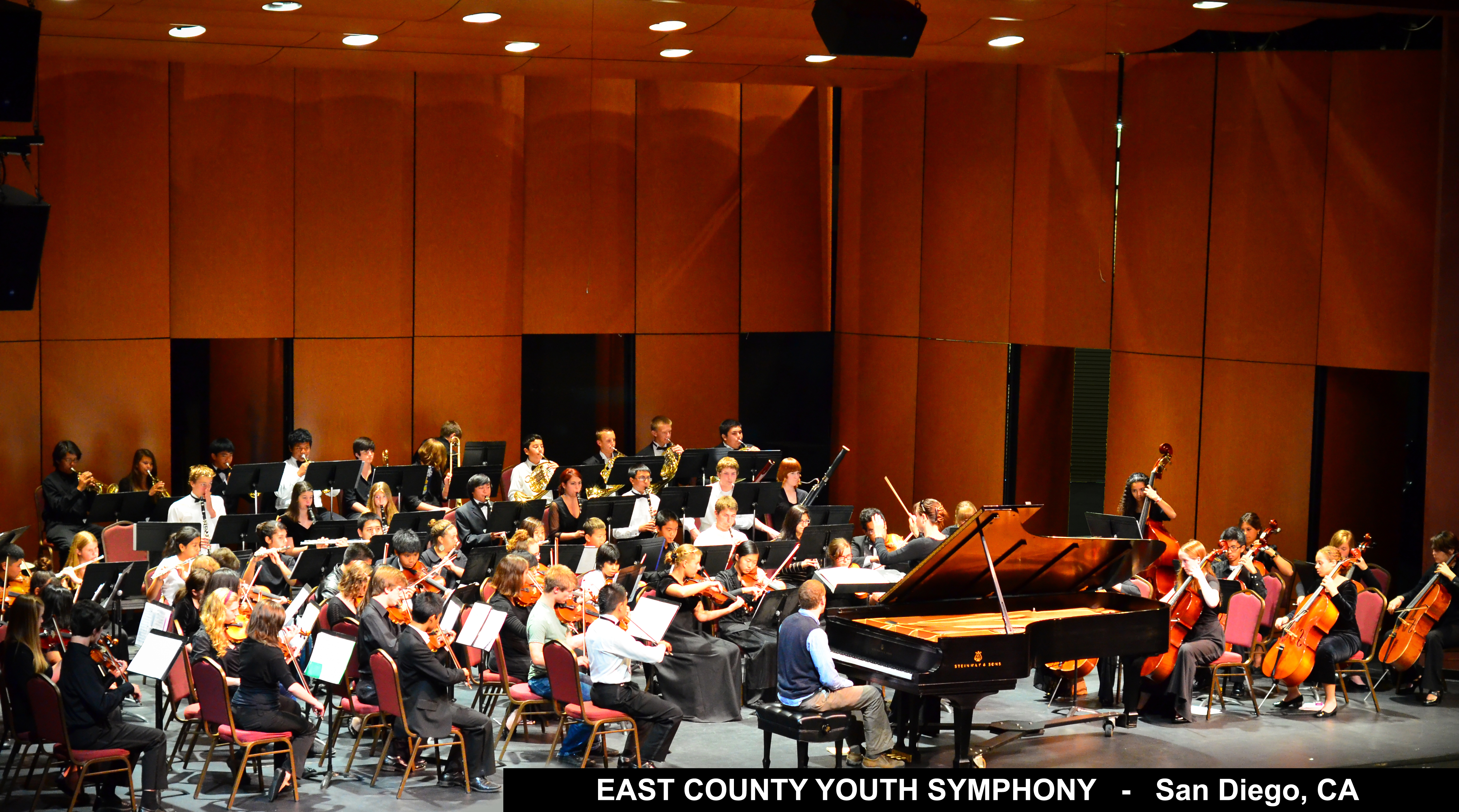
Every ECYS concert is designed to be more than a performance. It is a celebration of young talent, creativity, hard work, and community spirit. Throughout each season, ECYS presents exciting and diverse concert programs featuring orchestral masterworks, film music, contemporary compositions, patriotic celebrations, seasonal favorites, and original works by emerging young composers. Our audiences experience not only the timeless beauty of classical music, but also the thrill of hearing new voices and fresh artistic ideas. ECYS proudly highlights local student soloists and composers, offering gifted young artists meaningful opportunities to share their work with the public. Recent seasons have included world premiere performances by talented ECYS alumni and young American composers, including works by Oluwaloba Salami and Vonn Vanier. These performances reflect the organization’s dedication to nurturing creativity and supporting the future of American music. Our concerts also showcase the achievements of students at every stage of their musical journey, including beginning musicians in the ECYS Pre-Orchestra Division. For many of these young performers, stepping onto a concert stage for the first time becomes a memory that lasts forever.Celebrating Community Through Music
ECYS is deeply connected to the communities it serves. The orchestra brings together students from public schools, private schools, charter schools, and homeschooling families across San Diego County, creating an environment where music becomes a bridge between cultures, neighborhoods, and life experiences. Parents, volunteers, alumni, educators, donors, and audience members all play an important role in sustaining the ECYS mission. The organization’s success has always depended on people who believe that young musicians deserve opportunities to dream big and create something beautiful together. Many ECYS alumni have continued into successful careers as professional performers, music teachers, composers, recording engineers, and soundtrack writers. Others have entered fields far beyond music while carrying with them the discipline, creativity, and confidence developed through years of ensemble performance. The lessons learned in orchestra often extend far beyond the concert hall.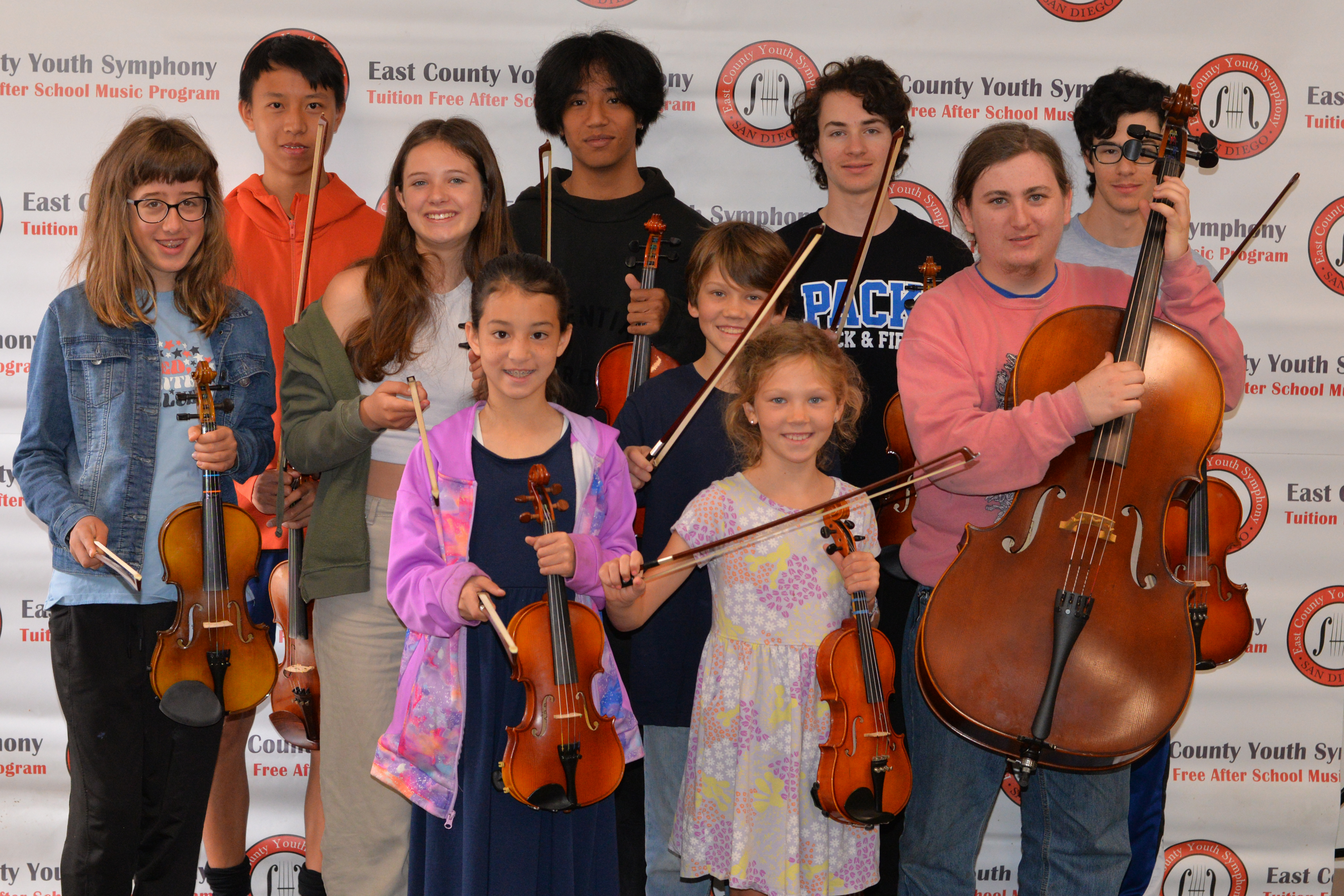
Become Part of the ECYS Story
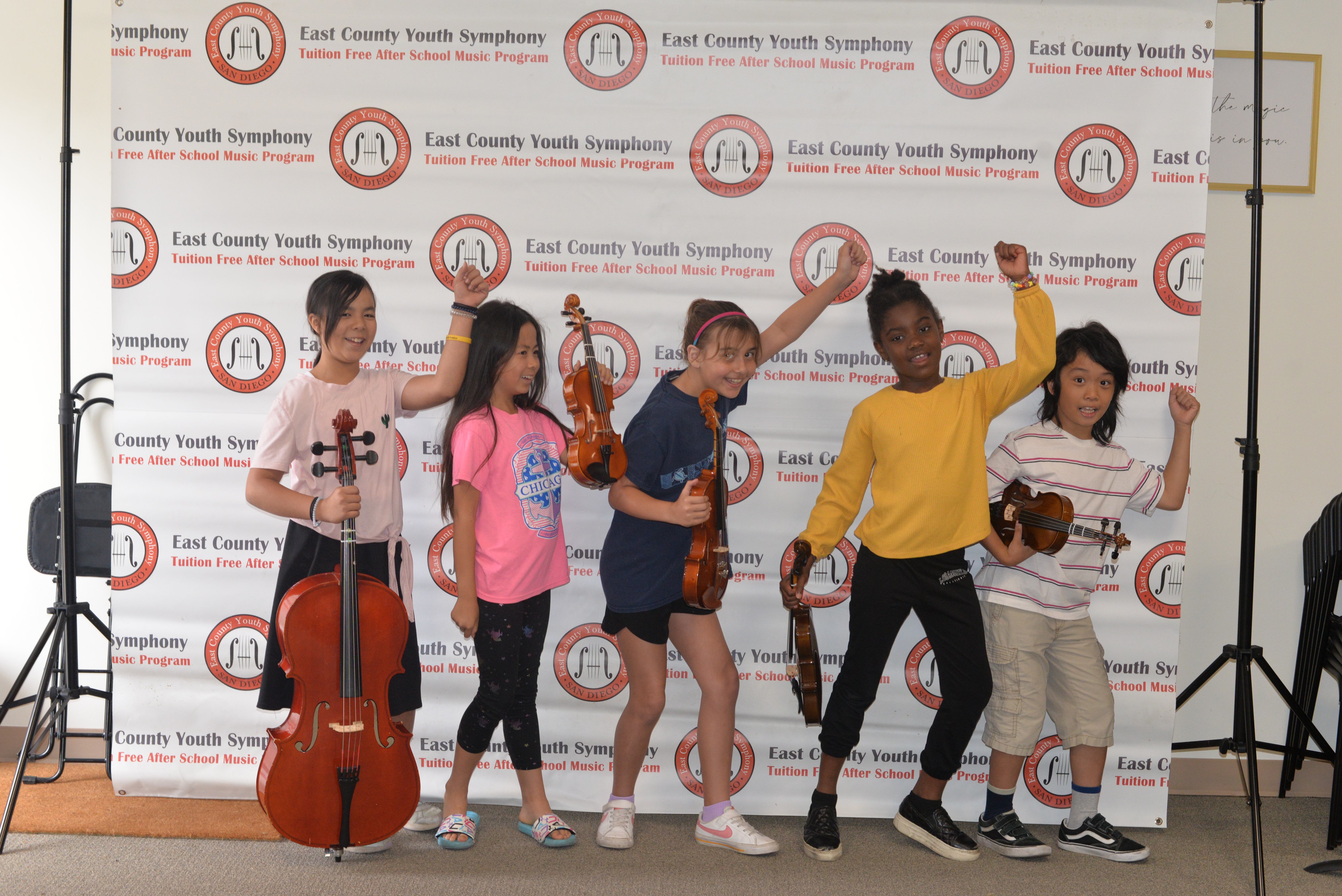
Whether you are a student looking for a place to grow, a parent searching for meaningful opportunities for your child, an audience member who loves live music, or a supporter who believes in arts education, we invite you to become part of the East County Youth Symphony family. You Can Help By:• Attending performances
• Supporting tuition-free music education
• Sponsoring concerts and community programs
• Volunteering your time
• Encouraging young musicians
• Sharing the ECYS mission with others

non-profit 501(c)(3)